How to Choose the Right Equipment for Rock Projects in Reno-Tahoe
Rock projects often need several machines to work together. A site may require drilling before excavation starts, crushing after large rock is removed, and sorting before material can be reused or hauled away. Choosing equipment one machine at a time can create delays when capacities do not match. Contractors comparing engineering equipment in Reno-Taho should first study the material, site access, expected production, and final use of the processed rock before selecting equipment.
Start With the Material and Site Conditions
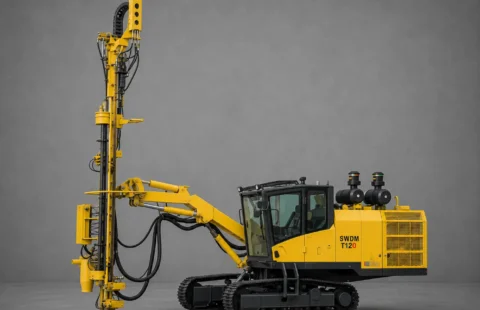
Equipment selection should begin with the ground itself. Rock hardness, fracture patterns, material size, slope, available working space, and the amount of material all influence what machines will perform efficiently. A contractor working with drill rigs services in Truckee, CA should know the required hole depth, diameter, and drilling pattern before choosing a rig. This helps avoid bringing in a machine that is either too small for the formation or unnecessarily large for the job.
Access should be reviewed at the same stage. Tight roads, steep grades, soft ground, and limited staging areas can affect which machines can enter and operate safely. Projects using drill rigs services in Sparks, NV may need to balance drilling capacity with transport size and setup space. The right machine is not simply the most powerful option. It is the one that can reach the work area, meet production needs, and operate without creating new site problems.
Know When a Rock Drill Fits Better
Not every hard-rock job requires a large drill rig. Some projects need more focused drilling for breaking, preparation, or work in areas where a larger setup is unnecessary. Contractors considering rock drills services in Sparks, NV should look at the depth of drilling, rock condition, working area, and production goal. Matching the tool to the actual task can improve efficiency and prevent a larger machine from being used for work that a more focused rock drill could handle.
The same planning applies in Verdi when drilling forms the first step of a larger rock-handling process. Projects that rely on drill rigs services in Verdi, NV should plan what happens immediately after drilling, including excavation, breaking, loading, or crushing. Thinking about the next stage early helps prevent drilled material from sitting idle because the following equipment has not been selected or scheduled.
Decide When Crushing Is Necessary
Rock often leaves the excavation area in pieces that are too large for reuse, transport, or later processing. A crusher reduces that material into sizes that are easier to handle. Contractors using rock crushers services in Truckee, CA should know the largest feed size, expected rock hardness, desired finished size, and approximate daily volume. Those details help determine whether the selected crusher can keep pace with excavation without creating a pile of oversized material beside the machine.
Production planning matters just as much on Nevada projects. When evaluating rock crushers services in Sparks, NV, contractors should compare crusher capacity with the amount of material produced by drilling and excavation. A crusher that processes far less material than the excavator delivers can slow the whole operation. On the other hand, an oversized crusher may add unnecessary transport and operating demands if the site only produces a limited volume.
Consider Mobile Crushing for On-Site Processing
Moving raw rock off site before crushing can add hauling, loading, and handling steps. In some projects, processing the material closer to where it is excavated can simplify the workflow. A mobile rock crusher in Reno-Tahoe may make sense when there is enough material to process, suitable working space, and a clear plan for where crushed material will go next. Mobility is useful, but feed size, output requirements, site layout, and production rate still need to guide the final choice.
Industrial projects around USA Parkway may also benefit from careful crushing plans when large amounts of rock or demolition material must be reduced. Contractors considering rock crushers services in USA Parkway, NV should think beyond the crusher itself and plan loading, stockpiling, sorting, and removal at the same time. A crusher works most efficiently when material can enter and leave the machine without constant interruptions from poor site organization.
Plan the Sorting Stage Early
Crushed material does not always leave the crusher at one useful size. Some projects need different grades separated before material can be reused, sold, stored, or transported. Rock sorters services in Truckee, CA can fit into this stage when a project needs better control over finished material. The sorter should be selected according to crusher output, target material sizes, and production volume so that the crushing and sorting stages work at similar rates.
The same principle applies to projects with larger material-processing workflows. Using rock sorters services in USA Parkway, NV can help divide processed material into groups that match the next construction or handling step. If sorting capacity is too low, crushed material may build up between machines. Planning both stages together helps maintain a steady material flow and reduces unnecessary rehandling around the site.
Sorting may also be needed on smaller or mixed-material jobs near Verdi. Contractors considering rock sorters services in Verdi, NV should decide what material is worth separating before equipment arrives. Clear target sizes make it easier to choose the right screen or sorting setup and determine where each finished product will be placed once it leaves the machine.
Use Excavators as the Link Between Stages
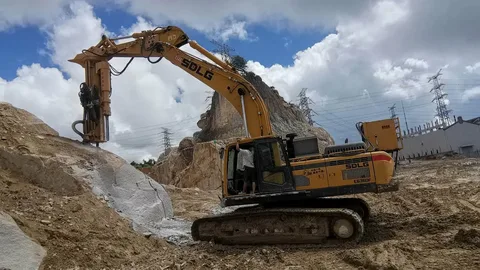
Excavators often connect drilling, crushing, and sorting because they move material between each part of the operation. Teams comparing excavators services in Reno-Tahoe should consider bucket size, reach, lifting ability, attachment compatibility, ground conditions, and the amount of material that must be moved each hour. An excavator that cannot keep a crusher supplied will limit production, while an unnecessarily large machine may create access and transport problems.
The excavator should also have enough room to work without interfering with trucks, crushers, sorters, or drilling equipment. A well-planned loading area gives the operator a clear path between stockpiles and processing equipment. This reduces unnecessary machine movement and helps maintain a safer, more predictable workflow throughout the project.
Match Crusher Output With the Next Stage
Crushing should never be planned as an isolated task. On Verdi projects using rock crushers services in Verdi, NV, contractors should know where processed material will go as soon as it leaves the crusher. It may move to a sorter, temporary stockpile, truck, or another part of the project. When that destination is planned in advance, the crusher can operate with fewer stops caused by blocked discharge areas or poor material placement.
The same idea helps contractors avoid bottlenecks throughout the entire job. Production rates for drilling, excavation, crushing, sorting, and hauling should be close enough that one stage does not constantly wait for another. A balanced equipment lineup often performs better than one very large machine surrounded by smaller machines that cannot match its output.
Quick Equipment Selection Guide
| Project Need | Equipment to Consider | Main Question |
| Planned or deeper drilling | Drill rig | What depth and hole size are required? |
| Focused hard-rock drilling | Rock drill | What formation needs to be drilled? |
| Excavation and loading | Excavator | What reach and capacity does the site require? |
| Oversized rock reduction | Rock crusher | What final material size is needed? |
| On-site processing | Mobile crusher | Is there enough space and material volume? |
| Material separation | Rock sorter | What sizes need to be separated? |
This guide gives contractors a starting point, but actual machine choice should still reflect site conditions, material hardness, production goals, transport limitations, and the way each machine connects with the rest of the operation.
Decide Whether to Rent or Buy
Equipment ownership depends on how often a machine will be used. A specialized crusher, drill, or sorter needed for one project may make more sense as a rental, while equipment used across many projects may justify a purchase. Contractors should compare expected utilization, project length, transport costs, maintenance responsibilities, storage, and future workload before making the decision.
Ranchie’s Rigs supports construction and mining work with equipment options that include drill rigs, crushers, sorters, rock drills, excavators, rentals, repairs, and maintenance. Looking at the full project instead of one machine at a time makes it easier to choose equipment that supports the workflow from the first drilled hole to the final pile of processed material.
Frequently Asked Questions
What equipment is used for hard rock projects?
Hard rock projects may require drill rigs, rock drills, excavators, crushers, and sorting equipment. The right combination depends on rock hardness, required hole depth, material volume, site access, and what needs to happen to the rock after it is removed.
When should a rock crusher be used on a job site?
A rock crusher is useful when excavated or broken rock is too large for reuse, transport, or the next processing stage. Contractors should consider feed size, rock hardness, required finished size, production volume, and available operating space before selecting a crusher.
What is the purpose of a rock sorter?
A rock sorter separates processed material into different sizes or groups. This can help prepare crushed rock for reuse, stockpiling, transportation, or another construction process. Sorting capacity should match crusher output so material does not build up between the two stages.
Is a mobile rock crusher suitable for every project?
No. Mobile crushing works well when there is enough material to process on site and sufficient space for safe equipment operation. Smaller projects or restricted sites may need a different setup. Material volume, access, output requirements, and hauling plans should guide the decision.
How do excavators support rock crushing operations?
Excavators can dig material, load crushers, move processed rock, clear working areas, and manage stockpiles. The excavator should have enough reach and capacity to keep material moving without becoming a bottleneck in the drilling, crushing, or sorting workflow.
Should contractors rent or buy rock equipment?
The decision depends on project length, equipment use, transport costs, maintenance needs, storage, and future workload. Renting may suit short-term or specialized work, while purchasing may make more sense when the same equipment will be used regularly across multiple projects.
Plan the Full Rock-Handling Workflow
The strongest equipment plan follows the material from start to finish. Drilling prepares the rock, excavators move it, crushers reduce its size, and sorters separate finished material for reuse or transport. When each machine is selected around the same production goal, contractors can reduce unnecessary handling and keep equipment from waiting between stages.
Before work starts, confirm material type, site access, expected volume, target output size, machine capacity, and the final destination of processed rock. Ranchie’s Rigs can support contractors with the equipment and service options needed for different stages of rock, construction, and material-handling projects across the region.